

Guide to Recycling in Ontario: Learn What Goes Where
Recycling in Ontario is part of everyday life. Blue Boxes are a familiar sight on curbs, in apartment buildings, and in shared collection areas across the province. Most households want to recycle properly, yet many people still feel uncertain about whether they are making the right choices. That uncertainty is understandable. Recycling programs have evolved, accepted materials have changed, and packaging labels do not always reflect what is actually collected or processed in Ontario.
This guide to recycling in Ontario is designed to help close that gap. It explains how Ontario’s recycling system works at a practical level, what typically belongs in the Blue Box, and how to handle materials that require special recycling programs. Instead of focusing on municipal-by-municipal rules, this guide provides province-wide guidance so readers can understand the logic behind recycling decisions and apply it confidently in their own homes.
You will also find links throughout this guide to Recyclability’s detailed material pages. These pages go deeper into items that commonly cause confusion, such as batteries, electronics, tires, lighting, hazardous products, and single-use propane canisters. When an item does not belong in curbside recycling, Recyclability’s Recycle Location Finder becomes especially useful. It lists recycling collection points across Ontario and allows users to filter locations by the materials they accept, helping households move from uncertainty to action.
Because recycling programs and access to collection points can differ by community, the information below should be treated as Ontario-wide guidance. Confirming local drop-off options is always recommended, particularly for special or hazardous items.
What Goes in the Blue Box in Ontario
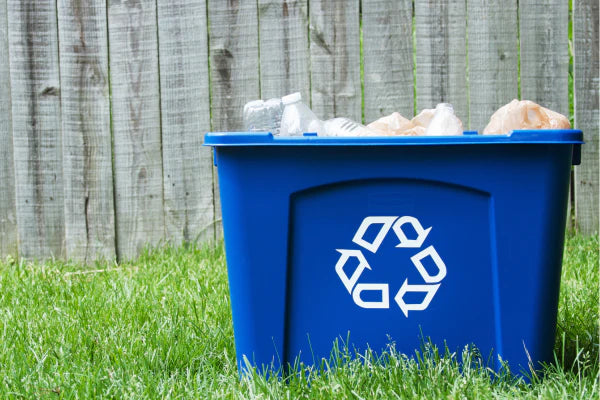
The Blue Box is the foundation of household recycling in Ontario, and it is the system most people interact with several times a week. Because it is so familiar, it is easy to assume that anything recyclable belongs there. In reality, the Blue Box is designed for a specific purpose and understanding that purpose helps explain why some materials are accepted while others are not.
At its core, the Blue Box exists to collect everyday paper and packaging that can be processed efficiently through large-scale sorting systems. These systems rely on consistency. Materials need to move quickly through equipment designed to separate items by shape, weight, and material type. When materials fit that model, they can be recovered reliably. When they do not, they can slow processing, damage equipment, or contaminate other recyclables.
For households, this means that Blue Box recycling works best when items are clean, dry, and simple. Containers should be emptied of food and liquids, paper should be kept dry, and materials should be placed loose in the bin unless your local program specifies otherwise. Nesting items together or placing recyclables inside bags can cause sorting equipment to treat them as a single object, sending otherwise recyclable materials to the landfill.
One of the most common sources of confusion is packaging that displays a recycling symbol. These symbols are often interpreted as a signal that an item belongs in the Blue Box. In practice, they usually indicate that a material may be recyclable under certain conditions, not that it is accepted in Ontario’s curbside system. Packaging design does not always take local recycling systems into account, which creates a gap between what consumers expect and what the Blue Box is designed to handle.
The Blue Box recycling guide explains how Ontario’s program works and why certain materials are excluded even when they appear recyclable. It also provides preparation guidance that helps materials move successfully through the system.
Most Blue Box contamination is not caused by carelessness. It is usually the result of people trying to recycle more. Items that feel “too recyclable to throw out” often end up in the bin, even when they do not belong there. Unfortunately, even a small number of incorrect items can contaminate an entire load. When contamination levels are high, recyclable paper and packaging may be diverted to a landfill.
Common examples of these mistakes are outlined in our blog Your Biggest Recycling Mistakes and How to Avoid Them, which explains why good intentions can still lead to poor outcomes.
Biodegradable and compostable packaging adds another layer of complexity. These materials are often marketed as environmentally friendly, which leads many people to assume they belong in recycling. In reality, they rarely belong in the Blue Box and can interfere with recycling processes when mixed with conventional plastics. Understanding the distinction between biodegradable and recyclable materials is important as it helps clarify how these materials should be handled in Ontario.
A useful rule of thumb is to ask whether an item is designed for curbside recycling, not whether it is recyclable in theory. Items that contain batteries, electronics, hazardous components, or pressurized contents almost always fall outside the Blue Box system and require a different recycling pathway.
Battery Recycling in Ontario
Battery recycling in Ontario is especially important because batteries pose real safety risks when handled incorrectly. Batteries should never be placed in the Blue Box or garbage, regardless of size or type. Fires caused by improperly disposed batteries are a growing concern during collection and processing across Ontario.
Batteries store energy even when they appear dead. When they are crushed, punctured, or exposed to heat, that stored energy can be released suddenly, causing sparks or fires. Lithium-ion batteries are particularly risky, but alkaline and button batteries can also create problems when they enter curbside systems.
Part of the challenge is that batteries appear in more places than many people realize. Phones, laptops, tools, toys, watches, hearing aids, greeting cards, and small household devices can all contain batteries. Because some batteries are built into products, they are often overlooked and accidentally disposed of incorrectly during clean-outs or moves.
Safe storage before recycling helps reduce risk. Batteries should be stored in a non-metal container, kept away from heat sources, and, where possible, have their terminals taped. Damaged or swollen batteries should be handled carefully and recycled promptly rather than stored for long periods.
Ontario’s battery recycling programs are designed to safely recover materials while reducing fire risk. Our battery recycling page explains which battery types are accepted and how to prepare them properly. Because batteries are not collected curbside, they must be taken to approved drop-off locations, which can be identified using Recyclability’s Recycle Location Finder.
Electronics Recycling in Ontario
Electronics recycling in Ontario affects nearly every household. Electronics include not only large items like televisions and computers, but also phones, tablets, printers, chargers, cables, and accessories that accumulate over time.
Electronics should never go in the Blue Box. They are made from a complex mix of materials and often contain batteries, screens, or internal components that can damage sorting equipment or contaminate recycling streams. Even small electronics can cause significant disruption when they enter curbside systems.
Many people store old electronics because they are unsure how to recycle them or assume broken devices are no longer useful. Others keep them out of concern for personal data. As a result, electronics often sit in drawers or closets for years before being disposed of incorrectly during moves or clean-outs.
Before recycling electronics, it is recommended to remove personal data where possible and keep devices intact. Breaking devices apart can increase safety risks and make proper processing more difficult.
Ontario’s electronics recycling programs are designed to manage these materials safely and recover valuable components. Our electronics recycling guide outlines what qualifies as electronic waste and how to prepare items for recycling.
Tire Recycling in Ontario
Tire recycling in Ontario is handled through dedicated programs designed to manage the size, weight, and durability of tires. Tires should never be placed in the Blue Box or garbage, as they can damage equipment and are not processed through curbside recycling systems.
Most people encounter tire recycling during seasonal tire changes. In many cases, retailers accept old tires at the time of replacement, which makes recycling straightforward. However, this option is not always available. Tires stored at home, removed from rims, or collected during garage clean-outs may require a separate drop-off solution.
Because tires are designed to be durable, they do not break down easily in a landfill and can take up significant space. Improperly stored or discarded tires can also pose safety and environmental concerns.
Ontario’s tire recycling programs ensure tires are collected and processed responsibly. The tire recycling page explains accepted tire types and what to expect when recycling them. When retailer take-back is not an option, the Recycle Location Finder can help identify recycling collection points across Ontario that accept tires.
Light Bulb Recycling in Ontario
Light bulb recycling in Ontario depends on the type of bulb. Some bulbs contain mercury or electronic components and should never go in the Blue Box or garbage. Because light bulbs are small and familiar, they are often treated casually during disposal, even though their materials require special handling.
Fluorescent tubes and compact fluorescent lamps are common examples of bulbs that contain mercury, but LED bulbs also include circuitry and metals that are not appropriate for curbside recycling. When bulbs break during collection or processing, they can create safety risks for workers and contaminate other materials.
Many people assume that newer or energy-efficient bulbs are automatically safer to dispose of, but this is not always the case. Identifying the correct recycling pathway helps prevent contamination and supports safer handling. Our light bulb recycling guide explains common bulb types and appropriate recycling options.
Hazardous Waste Disposal in Ontario
Hazardous waste disposal in Ontario includes household products that can pose risks to people, property, and the environment if they are disposed of incorrectly. These items should never go in the Blue Box or regular garbage, even in small amounts.
In everyday terms, hazardous or special products are items that can be flammable, corrosive, toxic, or reactive. Many of them are used safely in homes every day, which can make their risks easy to overlook. Paints, solvents, automotive fluids, oil filters, and certain cleaners are common examples. While these products may seem harmless once empty or partially used, they can cause serious problems when crushed, mixed, or exposed to heat during disposal.
One reason hazardous products cause confusion is that they do not always look dangerous. Unlike items such as batteries or propane canisters, hazardous products are often liquids or containers that resemble ordinary household waste. As a result, they are sometimes placed in garbage or recycling bins simply because it is not obvious that they require special handling.
Improper disposal of hazardous products not only affects those items themselves. When hazardous materials enter recycling or waste streams, they can contaminate other materials, damage equipment, and create unsafe conditions for collection workers and processing facilities. Even small quantities can have outsized impacts when mixed with large volumes of other materials.
Storing hazardous products safely at home is an important first step. Keeping items in their original containers, storing them away from heat sources, and avoiding mixing different products helps reduce risk until they are ready for drop-off. This is especially important during home renovations, clean-outs, or seasonal maintenance, when multiple hazardous items may surface at once.
Ontario manages hazardous and special products through approved recycling programs designed to handle these risks responsibly. Our hazardous waste disposal page explains what qualifies as a hazardous or special product and outlines how these materials are managed within the province.
Because hazardous products are not collected curbside, they must be taken to designated recycling collection points. Our Recycle Location Finder helps Ontarians find approved collection points across the province and allows users to filter locations based on the materials they accept. This ensures hazardous products are handled in environments designed to manage their risks safely.
Propane Canister Recycling in Ontario
Propane canister recycling in Ontario requires special care. Single-use propane canisters should never go in the Blue Box or garbage, even when they appear empty.
Residual gas can remain inside canisters after use. When canisters are crushed or punctured, the gas can ignite, creating serious fire or explosion risks during collection and processing. This is why propane canisters are treated differently from other metal containers.
Confusion often arises between refillable propane tanks and single-use propane canisters. Single-use canisters are designed for one-time use and require specialized recycling pathways.
Ontario’s OrangeCycle™ program provides a safe recycling pathway for small, single-use propane canisters, such as those commonly used for camping. Collection locations may include participating parks or other designated sites, depending on availability. Larger propane tanks and canisters, such as those used for barbecues, are considered hazardous and special products and must be taken to an approved recycling collection point that accepts them. For refillable propane tanks, many retailers that sell or refill them offer exchange or take-back programs where used tanks can be returned.
Next Steps for Recycling in Ontario
Recycling in Ontario works best when households understand the difference between what belongs in curbside collection and what requires a separate drop-off program. Once that distinction is clear, recycling decisions become simpler and more consistent.
As a general approach, use the Blue Box only for accepted paper and packaging, and keep materials like batteries, electronics, lighting, hazardous products, and propane canisters out of curbside recycling. These items require special handling and should be prepared carefully before being taken to an approved drop-off location.
When materials need to be recycled outside the Blue Box, Recyclability’s Recycle Location Finder helps connect Ontarians with recycling collection points across the province and allows locations to be filtered by the materials they accept. This makes it easier to move from knowing what to recycle to knowing where to take it.
For more detailed guidance, Recyclability provides material-specific resources that explain how Ontario’s recycling programs work and what to expect when recycling different items. These include information on Blue Box recycling, battery recycling, electronics recycling, tire recycling, light bulb recycling, hazardous and special products, and OrangeCycle for single-use propane canisters.
This guide to recycling in Ontario is intended to help households recycle with confidence, reduce contamination, and participate responsibly in the province’s recycling system.